What Happens in Your First Week of a Videography Course
Key Takeaways
- A videography course starts with technical fundamentals before moving into hands-on execution
- WSQ courses in Singapore emphasise structured, competency-based learning from day one
- The first week focuses on camera handling, framing, lighting, and basic editing workflows
- Expect immediate practical exercises rather than passive lectures
- Early feedback loops are built in to correct mistakes quickly
Introduction
The first week of a videography course is designed to move quickly from theory to controlled practice. Unlike casual online tutorials, structured programmes—especially WSQ courses in Singapore—follow a competency-based format where each day builds towards practical output. You are not simply learning what videography is; you are being trained to execute it under guided conditions. The schedule is typically intensive, with each day introducing a new technical layer while reinforcing previous lessons through exercises and reviews.
Day 1 – Orientation and Camera Fundamentals
The first day sets the foundation. You are introduced to course objectives, assessment criteria, and equipment. This introduction includes understanding camera types, lenses, and essential settings such as ISO, shutter speed, and aperture. Rather than memorising definitions, you are expected to handle the camera immediately. Trainers often demonstrate how exposure works in real conditions, followed by guided practice.
This stage is tied to specific competency units. You are assessed on your ability to operate equipment correctly, not just explain it. That said, by the end of the day, you should be able to set up a camera for basic shooting without assistance.
Day 2 – Composition and Framing Techniques
The second day focuses on how visuals are constructed. You move from operating a camera to making deliberate creative decisions. Key topics include framing, rule of thirds, leading lines, and shot types. A videography course will typically require you to shoot short sequences that demonstrate different framing techniques.
The emphasis is on intent. Trainers will ask why you chose a particular angle or composition. This period is where structured evaluation begins to intensify. You are not only producing footage but also justifying your choices based on visual communication principles. Feedback is direct and often immediate, correcting habits early.
Day 3 – Lighting and Audio Basics
Attention, on the third day, shifts to production quality. Lighting and audio are introduced as critical components of professional videography. You will work with basic lighting setups such as three-point lighting and learn how to manage natural light in uncontrolled environments.
Audio is treated with equal importance. You are taught microphone types, placement, and common recording issues. WSQ courses integrate these elements into practical tasks, requiring you to capture usable footage with clean audio. Mistakes such as poor exposure or background noise are addressed through repeated exercises.
Day 4 – Shooting a Structured Exercise
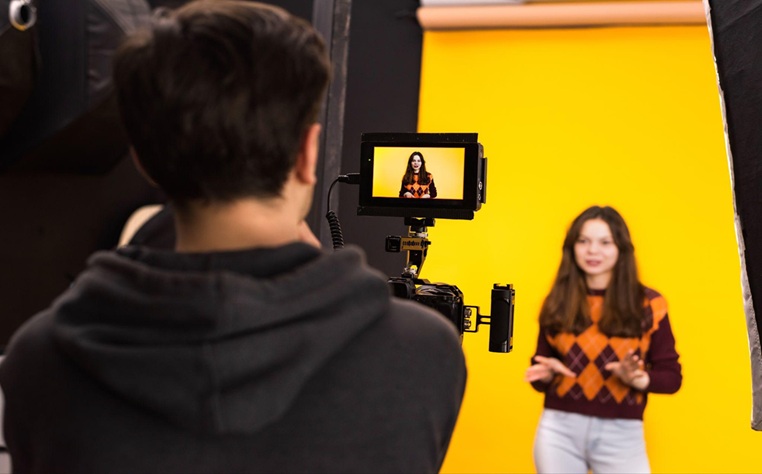
You are expected to combine all previous lessons by the fourth day. A videography course in Singapore will typically assign a short project, such as filming a simple interview or a short narrative sequence. This exercise tests your ability to plan shots, manage lighting, and record audio simultaneously.
This stage often mirrors real-world workflows. You may be required to work in small teams, assign roles, and follow a production brief. The objective is to simulate actual production conditions while still operating within a controlled learning environment. Trainers observe both technical execution and teamwork.
Day 5 – Introduction to Editing and Review
The final day of the first week introduces post-production. You learn basic editing software functions, including importing footage, cutting clips, and arranging sequences. A videography course ensures that you understand how footage translates into a final product.
This stage, for participants in WSQ courses, includes structured review sessions. Your work from Day 4 is assessed, and feedback is provided on both technical quality and storytelling clarity. This period closes the first learning loop—shooting, editing, and reviewing—preparing you for more advanced tasks in the following weeks.
Conclusion
The first week of a videography course in Singapore is structured, practical, and outcome-driven. Through the framework of WSQ courses, learners are pushed to apply skills immediately rather than absorb information passively. That said, by the end of the week, you are not just familiar with equipment but also capable of producing and evaluating basic video content with clear intent.
Visit OOm Institute and start creating camera work you can actually show clients.