7 RF PCB Factors to Review Before Choosing a Manufacturer
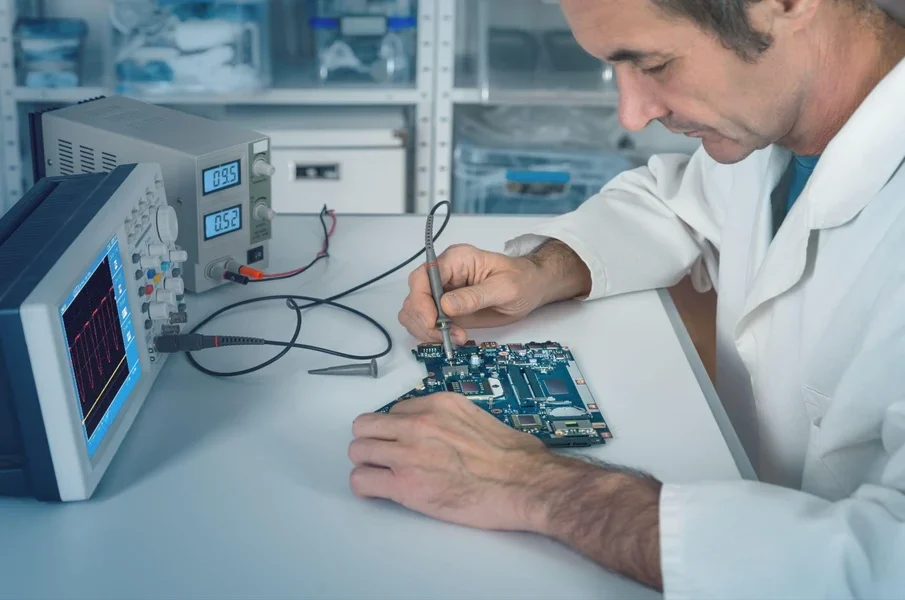
RF circuit boards require careful attention to layout, materials and manufacturing details because high-frequency signals can respond differently to small changes in the board structure. Product teams therefore need to consider technical capability before selecting a manufacturing partner.
When comparing an RF PCB manufacturer, discuss the actual requirements of the intended application rather than relying on a general claim of PCB capability. Teams also evaluating PCB assembly companies in Singapore should consider component placement, soldering, inspection and testing alongside board fabrication.
1. Review the Required PCB Materials
Start with the material requirements for the RF application. The board material can influence electrical behaviour, thermal performance and manufacturing considerations.
Discuss the intended frequency range and application with the manufacturer. The supplier can then advise on suitable material options within the project’s technical requirements.
Do not select a board material solely based on familiarity from previous projects. RF designs can have different requirements depending on their operating conditions.
Ask how material availability may affect production lead times and future orders.
2. Discuss Impedance Requirements
Controlled impedance can be important in RF designs because signal behaviour depends on the relationship between traces, dielectric material and board construction.
Provide the manufacturer’s required impedance specifications and ask how they will be incorporated into fabrication.
Clarify what information the manufacturer needs from your engineering team. Accurate stack-up information can help align the design with the production process.
Early communication is useful because changes to board construction can affect the electrical characteristics of the finished product.
3. Examine Layout and Manufacturing Capability
Dense RF layouts can involve sensitive routing, grounding and component placement requirements. Ask how the supplier reviews the design before fabrication.
A design review may identify manufacturing concerns involving trace geometry, vias, clearances or other physical features.
Provide complete design documentation and discuss any critical areas with the manufacturer.
The goal is to establish a workable production process before the board reaches fabrication.
4. Consider Component Assembly
RF performance depends on more than the bare board. Component selection and placement can also affect the finished circuit.
When comparing PCB assembly companies in Singapore, ask about their experience with the component packages and placement requirements used in your project.
Discuss soldering processes, component sourcing and inspection. If certain components have strict placement requirements, make sure the assembly team understands them.
Any proposed component substitution should go through the appropriate engineering review.
5. Ask About Testing
Testing requirements should be established before production. Ask what electrical, visual or functional tests the manufacturer can support.
The appropriate testing approach depends on the product and its intended application. Some projects may require specific RF measurements in addition to standard PCB quality checks.
Define what constitutes an acceptable board and how test results will be recorded.
Clear testing requirements help the engineering and production teams work from the same expectations.
6. Review Quality Control
Ask how materials, fabrication and assembly are monitored. Find out how production issues are recorded and how corrective actions are managed.
Quality control should cover the stages relevant to your board rather than focusing only on final inspection.
Ask how the manufacturer handles non-conforming boards and engineering changes. A defined process can make production communication easier.
7. Consider Future Production
Your first RF board may be a prototype rather than a final production design. Ask if the supplier can support future revisions and larger production requirements.
Discuss how revised files are controlled and how changes are reviewed before the next build.
A supplier that understands your likely development path can make it easier to move from prototype work into repeat manufacturing.
What to Compare
| Factor | What to review |
| Materials | RF suitability, availability and board construction |
| Impedance | Required values and manufacturing control |
| Layout | Routing, grounding and fabrication limits |
| Assembly | Component placement and soldering capability |
| Testing | Electrical, functional and RF testing needs |
| Quality | Inspection and non-conformance processes |
| Future production | Revisions, repeat builds and scalability |
Choosing an RF PCB manufacturer requires a technical discussion covering materials, impedance, layout and production controls. Teams comparing PCB assembly companies in Singapore should also examine component handling, testing and quality processes.
Contact MPN Tech to discuss RF PCB fabrication and assembly requirements for your electronics project.